
Expert Tree Care Guide For Homes & Businesses in 2026
Read Our Detailed Modern Tree Care Guide Written By Experts
Whether you are maintaining a private garden, managing commercial land, or responsible for public grounds, the trees on your property play a significant role in the safety, appearance and long-term value of your space.
The Many Benefits Of Healthy Trees
Trees provide character and environmental benefits, but they can also present challenges when they become diseased, damaged or overgrown. Understanding when to intervene, what work is required, and which methods are appropriate can be difficult without professional guidance.
Frodsham Tree Solutions operates across the North West England & North Wales region with a veteran-led ethos that places safety, discipline and reliability at the core of its service. The company provides expert advice and a comprehensive range of arboricultural solutions, supporting homeowners, businesses and public-sector organisations with services that prioritise both tree health and client peace of mind.
This guide has been created to help you gain clarity around the responsibilities and decisions involved in tree care, ensuring you are informed before work begins and confident in the expertise you are investing in.

Chapter 1 – Why Professional Tree Care Matters
Trees are long-lived, valuable assets, and the way they are managed has lasting consequences for the surrounding environment and infrastructure. A well-maintained tree enhances kerb appeal, supports biodiversity and provides shade, privacy and character. A neglected one, however, may become unstable, diseased or structurally unsound, with the potential to cause damage to buildings, boundary walls, vehicles or people.
Attempting tree work without professional training brings genuine risk.
Many tasks require working at height, operating chainsaws, managing heavy falling sections and carefully controlling the direction of removal. What may seem like a simple pruning job can quickly become a complex operation requiring expertise in sectional dismantling, rigging or stump removal techniques. Professional arborists are trained to evaluate risks, manage them safely, and use the correct equipment for the job. They also carry the insurance and certification necessary for legal compliance.
Responsible tree care is not just about the work carried out on the day, but about how that work shapes growth, safety and health over time.
Correct pruning encourages strong structure, while inappropriate cuts can lead to decay, disease or instability decades later. Disease identification, such as early detection of ash dieback, can prevent an entire area from being affected.
Commercial sites and public spaces additionally face regulatory requirements and duty-of-care obligations that make scheduled maintenance far more than an aesthetic concern.
Professional tree care, therefore, serves two priorities simultaneously: protecting the natural landscape and protecting the people who live, work or pass through the area. With an experienced, veteran-led team, clients benefit from a methodical approach, reliable planning, and a standard of discipline that lends confidence to every project, from individual garden trees to large estate management and public-sector works.
Chapter 2 – Tree Felling and Tree Dismantling: Understanding the Right Approach
Tree removal is sometimes unavoidable. A tree may be diseased beyond recovery, structurally compromised, storm-damaged, obstructing development, or simply no longer suitable for its environment. However, the method of removal is not the same in every situation, and understanding the distinction between tree felling and tree dismantling helps property owners appreciate the planning, skill and safety considerations involved.
Traditional tree felling
Involves cutting the tree at its base and bringing it down in a controlled single movement. This approach is appropriate when there is sufficient open space for the tree to fall safely without the risk of damage to property, utilities, roads or neighbouring trees. It requires a precise understanding of weight distribution, wind direction, lean and internal condition. A misjudgement in any of these areas can lead to unpredictable behaviour and serious hazards. When executed by trained professionals, felling is efficient and effective, but it is only viable where conditions allow.
A selection of cuts can be used during this operation, an arborist will assess and utilise the correct method of felling each tree depending on each individual scenario.
Tree dismantling
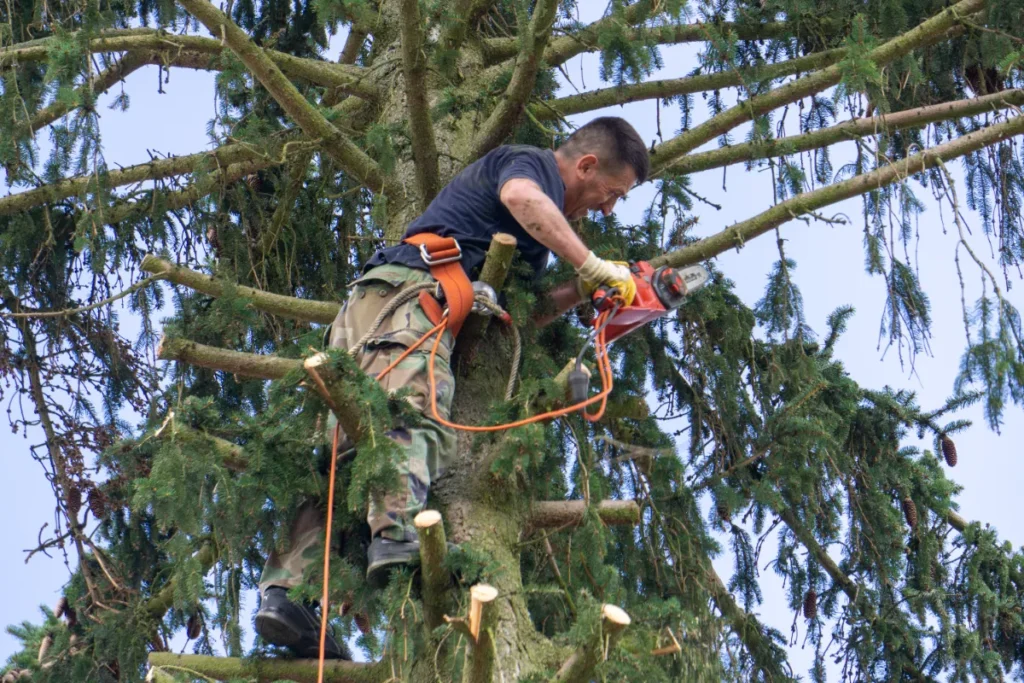
This is the technique used when space, access or risk make a traditional fell impossible or unsafe. Instead of bringing the tree down in one piece, highly trained arborists remove it section by section, often using ropes, rigging equipment and controlled lowering systems. Dismantling may be required in residential gardens with glass conservatories, beside roads or footpaths, near heritage structures, or in locations where surroundings must remain undisturbed. It demands specialist equipment and experienced operators capable of assessing each cut and movement with precision.
There are occasions when dismantling involves mechanical access, such as MEWP (Mobile Elevated Work Platform) hire, to reach trees that cannot be climbed safely due to decay, height or storm damage.(for example all roadside Ash trees with Die back should be dealt with using MEWP) Mechanical access is also used where efficiency improves cost-effectiveness, particularly on commercial land or large sites where multiple trees require attention.
Whether a climber or a MEWP operator carries out the work, the same discipline and risk assessment apply.
Homeowners, commercial landowners and councils alike often have concerns about disruption, noise, access and waste following tree removal. Professional planning addresses these considerations from the outset. The process includes assessing how the debris will be removed, whether timber will be retained as logs or chipped for recycling, and how the site will be left once the work is complete. With a structured dismantling plan, even complex removals can be completed with minimal disruption to surrounding areas.
Choosing the correct removal method is a matter of safety, environmental responsibility and efficiency. A qualified arborist examines each tree not only for its visible appearance but for what is happening internally or below ground. A seemingly stable tree may have compromised roots; a tree that looks misshapen may still be healthy and capable of being reshaped rather than removed. The best tree professionals offer advice based on long-term outcomes, not convenience, ensuring that each decision aligns with safety and the wider landscape.
Chapter 3 – Tree Crown Work: Thinning, Reduction and Lifting
Managing the crown of a tree is one of the most important aspects of professional arboriculture. Crown work shapes how a tree grows, how it interacts with its surroundings, and how resilient it remains in adverse weather. The aim of crown management is never cosmetic alone; it is performed to improve structure, promote long-term health and prevent potential hazards while preserving the tree’s natural character.
Tree Crown thinning
is the process of selectively removing internal branches to allow more light and airflow through the canopy. This reduces wind resistance, which is a key factor in preventing storm damage, and can help relieve the weight on limbs that may otherwise become strained.
Importantly, tree thinning is not simply cutting from the outer edge; it requires understanding where the tree distributes its strength and how it will respond to the removal of certain limbs.
When carried out correctly, the tree maintains its natural shape, but with improved balance and reduced risk of future failure. A tree is normally thinned using percentage as a measurement.
Tree Crown reduction
This focuses on reducing the overall size or spread of the canopy while maintaining the structural integrity and natural appearance of the tree. Reduction may be necessary when a tree grows too close to buildings, power lines or roadways, or when branches become disproportionate. Precision is crucial here. Reduction involves cutting back to suitable growth points so the tree can heal properly without inviting disease or decay.
Poorly executed reductions leave stubs and exposed wounds that weaken the tree; professionally delivered reductions allow for renewed, healthy growth and a more manageable size. Reductions are normally measured in length or to cut diameter.
Tree Crown Lifting
A process that involves removing the lower branches of a tree to increase clearance beneath the canopy. This can be essential where trees overhang footpaths, driveways, roads or public spaces, or where greater light is needed at ground level. For local authorities or commercial landowners, tree crown lifting can support public safety and regulatory compliance, ensuring signage and sightlines remain clear.
When performed with care, lifting enhances the usability of the space below the tree without affecting its stability or appearance.
Although tree crown work appears straightforward from the ground, it requires a keen understanding of species, season and structure. Each cut is a message to the tree about how to grow next; a considered approach guides development, while guesswork can create future problems.
Timing also matters. Some species respond well to winter work, while others are vulnerable during certain months.
Wildlife plays a role, too, as nesting seasons must be respected to avoid disturbing protected habitats.
Across residential, commercial and public landscapes, effective tree crown management offers a balance between safety, practicality and environmental sensitivity. It allows trees to thrive in the modern built environment, ensuring they remain an asset rather than a risk.
With skilled arborists handling the work, each intervention supports long-term health, reinforces natural shape and helps the tree coexist harmoniously with the space around it.
Chapter 4 – Pruning, Young Tree Management and Seasonal Considerations
Tree Pruning is one of the most influential practices in the life of a tree. Well-timed, well-planned pruning shapes the structure of young trees (formative pruning) , encourages strong growth and reduces the likelihood of future problems. When carried out poorly, it can permanently weaken a tree, expose it to infection, or cause unpredictable growth patterns that lead to structural instability. Understanding the role of pruning is essential not only for maintaining appearance but also for promoting long-term health and tree safety.
Formative Pruning
Young trees benefit greatly from formative pruning, the process of guiding their early development so they form a balanced, resilient structure. A tree that receives correct formative pruning is less likely to develop crossing branches, tight unions or weak forks that later require heavy intervention. This early guidance reduces the need for larger cuts in future, which are more stressful for the tree and carry greater risk of disease entering through wounds.
For new planting schemes, whether in domestic gardens or commercial landscaping projects, formative care sets the foundation for decades of healthy growth.
Mature trees, by contrast, respond differently. While they still benefit from selective pruning, the objective shifts from shaping growth to preserving stability and removing risk. Dead or damaged branches may harbour disease, attract pests or fall unexpectedly. Pruning these safely helps maintain the structural integrity of the tree and protects the space beneath it.
Yet every cut matters; pruning too heavily or at the wrong location may shock the tree, stimulate weak regrowth or alter its natural balance. For this reason, experienced tree assessments is vital before work begins.
Seasonal Tree Pruning Plans
Seasonal timing remains an important factor in any pruning plan. Some species respond best to winter pruning when growth is dormant and the tree can redirect energy when spring returns. Others are more susceptible to weather-induced stress or disease if cut during colder months and instead fare better in the growing season. Certain trees, particularly those vulnerable to sap production or fungal infection, require specific timing to avoid complications.
It is also important to consider wildlife, as many species naturally use trees for nesting and shelter during spring and summer.
Responsible arboriculture takes these factors into account to minimise disruption.
For landowners managing estates, parks or public areas, routine pruning forms part of wider grounds management. It can improve lighting, support access, make pathways safer and keep views unobstructed. In commercial settings and rental properties, regular pruning helps demonstrate compliance with duty-of-care expectations, something increasingly important for insurance and risk management.
Tree pruning is most effective when treated as preventative care rather than a reactive task. Instead of waiting for issues to become visible or hazardous, structured inspections and planned pruning cycles maintain trees at their best and reduce the likelihood of sudden, urgent interventions. This approach not only supports the health of the tree but also controls cost over the long term and creates a landscape that matures gracefully.
Responsible pruning respects both the tree’s biology and its environment. It intervenes only where necessary, supports natural form, and considers the long-term consequences of each cut. With the right expertise and timing, pruning serves as a quiet yet impactful investment in the future of the landscape.
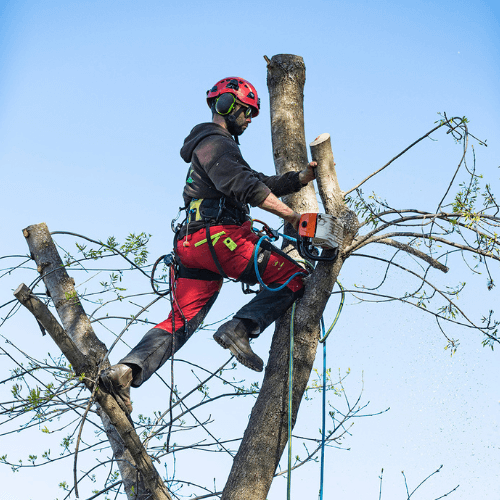
Chapter 5 – Specialist Services: Stump Grinding, Dead Wooding, Ash Dieback Management and Storm-Damaged Trees
Some aspects of tree care services require more than routine maintenance and call for specialised intervention to address particular risks or long-term issues. Stump grinding, deadwooding, ash dieback management, and the handling of storm-damaged trees each serve distinct purposes, supporting safety, accessibility, and environmental responsibility. Understanding why these services are necessary allows property owners to make informed decisions that protect both their landscapes and the people who use them.
Why Remove Tree Stumps?
Following the removal of a tree, the remaining stump may appear harmless, yet it can create several challenges if left in place. Tree stumps interfere with landscaping, restrict replanting and can become a tripping hazard on residential and commercial sites. They may also encourage fungi, attract pests or lead to regrowth, this may occur not only from stumps but from roots across lawns for example, resulting in ongoing management problems.
How Stump Griding Removes The Issue
Stump grinding offers a practical and efficient solution, reducing the stump below ground level and creating a surface that can be turfed, replanted or left to blend naturally with the environment. Modern stump grinding equipment allows access to a wide range of locations, from open fields to confined suburban gardens, ensuring that the job can be carried out with minimal disruption.
Dead Wood Can Be Problematic and Dangerous
Dead wooding is another essential specialist service that focuses on the removal of dead or decaying branches. These branches become brittle as they degrade and may fall without warning, particularly during high winds or heavy rain. In areas of frequent footfall such as pavements, playgrounds, car parks or public rights of way, deadwooding is an important risk-reduction measure. Even in private gardens, falling branches can cause damage or injury. By removing dead wood with care, the tree is able to retain its healthy structure while the risk it poses is significantly reduced.
Tackling Tree Disease – Ash Dieback in the UK
Ash dieback (ADB) has become one of the most serious threats to the UK’s tree population in modern times. The disease, caused by a fungal pathogen, leads to progressive weakening and structural failure of ash trees, ultimately resulting in their decline. In the North West region, ash remains a common species, which makes the need for proactive management critical. Early identification allows landowners to plan ahead rather than react to sudden failures. In locations where ash trees are near roads, buildings or public spaces, timely intervention can prevent dangerous collapses.
In other situations, phased tree removal may be required to mitigate risk while preserving the character of the landscape as replacement planting matures. For many organisations, managing ash dieback is not only a safety concern but a legal responsibility. Tree Surgeons are advised to not climb ADB diseased trees but seek other methods of dealing with them such as MEWP.
Emergency Tree Services – Storm Damaged Trees
Storm-damaged trees present a different kind of urgency. High winds and saturated ground can leave trees leaning, hung up on other branches or split through the trunk. Damage of this kind frequently leaves trees unstable and unpredictable. Attempting to address storm damage without specialist knowledge can be extremely hazardous, as the tension and weight distribution within a damaged tree is seldom visible from the ground.
Professional arborists assess the situation, plan safe dismantling where necessary and determine whether the tree can be recovered or must be removed. For homeowners and commercial operators, a swift response following storm damage is essential not only for safety but also for insurance requirements and recovery planning.
These specialist emergency tree services demonstrate that tree care is as much about foresight and risk management as it is about aesthetic presentation.
Whether dealing with the aftermath of extreme weather, responding to disease or preparing the landscape for its next stage of growth, targeted interventions protect the value of the land and contribute to a safer, healthier environment.
Handled by knowledgeable tree professionals in The North West, complex tree work is completed with precision, ensuring the ongoing stability of the landscape and the safety of those around it.
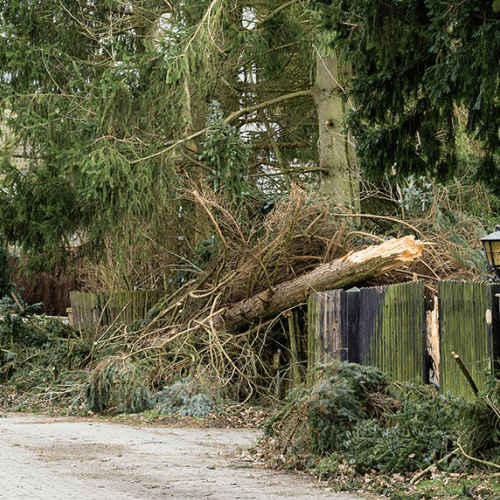
Chapter 6 – Tree and Hedge Planning for Long-Term Site Management
Thoughtful planning lies at the heart of lasting and sustainable landscape management. Trees and hedges do not simply occupy a space in the present; they evolve, mature and interact with their surroundings over many decades. Whether designing a private garden, developing a housing estate, or overseeing public parks and pathways, tree planting without foresight can lead to costly challenges in the future.
Strategic tree and hedge planning ensures that trees and hedges enhance a site rather than compete with it.
Selecting the right species for the right location is one of the first and most influential decisions. A tree that appears modest when newly planted can eventually dominate the space, overshadow properties, restrict light, or interfere with foundations and drainage systems. A poorly sited hedge may encroach onto footpaths, obstruct visibility for vehicles, or require constant maintenance to keep it under control.
Professional tree planting takes into account the mature size, growth habits and root spread of each species, making sure that what works well today remains suitable as the landscape develops.
Long-term site management increasingly requires consideration of biodiversity, climate resilience and environmental contribution. Native trees and hedgerows support wildlife corridors, encourage beneficial insects and provide natural shelter for birds and small mammals. In both rural and suburban settings, carefully planned tree planting contributes to healthier ecosystems and enhances the character of the local environment.
In commercial or public-sector contexts, these factors have become more than aesthetic; they often form part of planning obligations, sustainability goals and community expectations.
Land Management and Tree Services
Predicting how a landscape will evolve also means planning for accessibility and maintenance. A tree placed too close to a boundary or building may require frequent pruning or formal reductions, adding to long-term cost. Conversely, a well-positioned tree can provide cooling shade, define outdoor spaces and improve air quality with minimal intervention. Hedges can create privacy, mark boundaries and reduce noise while also blending naturally with the surrounding area when guided correctly from their early stages.
For new developments, tree planting strategies can shape the identity of a place. Mature trees retained and incorporated into the design offer immediate character, while phased planting ensures continuity for future generations. In established gardens, rethinking layout can revitalise spaces that have become overgrown or unbalanced.
Across public and commercial projects, integrating the practical with the natural strengthens the relationship between people and their surroundings.
Planning ahead acknowledges that tree and hedge management is not a one-off event, but a partnership with the landscape. As needs change, whether through growth, environmental shifts or human use, a strategic land management approach ensures that the living elements of a site remain assets rather than challenges.
Working with experienced arborists provides the insight necessary to choose wisely, plant responsibly and maintain the landscape in a way that respects both its history and its future.
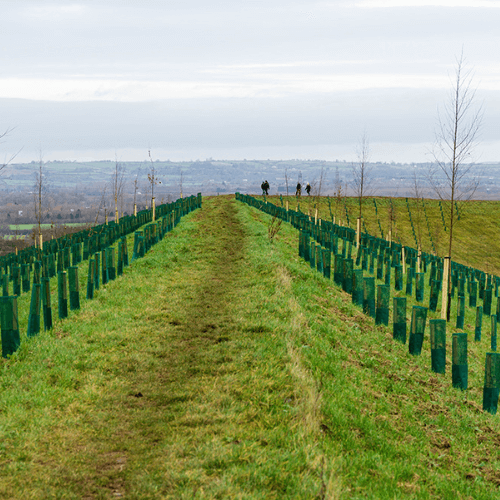
Chapter 7 – Tree Care Best Practice
Caring for trees is an ongoing commitment rather than a single intervention. Best practice in tree care is shaped by a combination of biological understanding, experience and respect for the natural processes that guide growth, decay and renewal.
The goal is to support the health of the tree while ensuring that it coexists safely with the people and structures around it. When approached thoughtfully, tree care enhances both the environment and the enjoyment of the space it occupies.
Healthy trees begin with healthy roots. The area beneath the soil often receives the least attention, yet it plays the most crucial role. Compacted ground, disruption from construction, or changes in water levels can place a tree under stress or lead to long-term decline. Mulching, responsible watering and protection from heavy footfall or equipment help maintain strong root systems. In many cases, problems that appear in the canopy are symptoms of issues below ground, which is why professional tree assessment is valuable when trees begin to show signs of poor health.
Regular tree inspections form the backbone of best practice. Subtle changes in bark texture, foliage density or branch angle might indicate disease, pests or structural weakness. Early identification allows minor issues to be resolved before they become costly or dangerous. This is particularly important for aging trees or those located near buildings, roads or highly used outdoor areas.
Scheduled tree surveys demonstrate responsible management for commercial sites and provide reassurance for property owners.
Phased Tree Care
When intervention is necessary, the approach should be measured and respectful. Removing too much at once, cutting at the wrong points or pruning without clear purpose can weaken a tree more than it helps. Each decision should support the long-term stability and balance of the tree rather than simply addressing short-term appearance. In cases where safety is a concern, the solution may involve phased work or a combination of reduction, bracing or removal that protects the landscape while addressing risk.
Environmental stewardship is an essential aspect of modern tree care. Trees are habitats as well as features. Best practice involves awareness of nesting seasons, protected species and local regulations. By planning work at appropriate times and using techniques that minimise disruption, arborists help conserve the wildlife that depends upon these spaces. When removal becomes necessary, replanting strategies and responsible recycling of waste contribute positively to the wider ecosystem.
Communication and transparency also play an important role. Clients benefit from understanding not only what work is being recommended, but why it is necessary and how it will impact the tree in the future. Thoughtful explanation empowers landowners to make informed decisions and encourages proactive rather than reactive care.
Best practice ultimately reflects a balanced philosophy: working with nature rather than against it. With professional guidance, trees can remain strong, safe and vibrant elements of the landscape, contributing beauty and value for years to come.

Chapter 8 – Legal Responsibilities for Tree Owners
Owning land that contains trees brings benefits, but it also carries legal responsibilities that not all landowners are immediately aware of. Whether managing a single tree in a private garden or a collection of mature specimens on a commercial or public site, it is important to understand where duty of care begins and what obligations exist to prevent harm, preserve protected trees and respect boundaries.
A tree owner has a legal responsibility to ensure that their trees do not pose a foreseeable risk to others. This applies to areas where people walk, drive, or work, as well as to neighbouring properties. If a branch or tree fails and causes injury or damage, the question that often follows is whether the risk could reasonably have been identified and addressed.
Regular tree inspections provide a clear record of responsible management and demonstrate that care has been taken to mitigate hazards. For organisations, schools, landlords and businesses, this forms part of their wider health and safety commitment.
Tree Preservation Orders
Protected trees introduce a different layer of responsibility. Tree Preservation Orders, often referred to as TPOs, are applied by local authorities to trees or woodlands considered valuable to the area’s character or history. Removing, pruning or carrying out work on a protected tree without permission can result in penalties. Likewise, properties located within conservation areas must follow regulations for tree work, even when no specific order is in place.
Engaging professional arborists who understand the process ensures that any applications are submitted correctly and that work is carried out in line with regulations.
Boundary issues are another frequent concern. Tree branches overhanging adjoining land, roots affecting driveways or walls, or disagreements about ownership can all create tension if not managed respectfully. Communication and documentation are key.
In most cases, problems can be resolved by clear discussion and practical tree management solutions, especially when guided by expert advice. When disputes arise, an independent, professional tree assessment can help clarify responsibilities and reduce misunderstanding.
Public spaces and commercial sites come under added scrutiny. Trees lining footpaths, surrounding car parks or bordering access routes require closer attention as they interact with the public on a daily basis.
Tree maintenance is not only practical but preventative, demonstrating that steps have been taken to address obvious risks. This principle applies equally to storm damage. Severe weather can quickly alter the condition of a tree, and prompt evaluation after storms is viewed as responsible management.
Legal responsibility in tree care is not intended to discourage ownership but to promote safe, respectful and sustainable management.
Trees are deeply entwined with the character of towns, villages and rural landscapes, and regulations exist to preserve this heritage. By understanding obligations and seeking expert guidance when needed, landowners can manage their trees confidently and in a manner that serves both the community and the environment.
Frodsham Tree Solutions Ltd, Caring for Trees, Protecting Landscapes, Supporting Communities
Caring for trees is a responsibility that reaches beyond the boundary of any single property. It connects to the safety of the people who use the surrounding space, to the character of the community and to the environmental legacy left for future generations.
Whether managing a small private garden, overseeing large commercial estates or maintaining public land, thoughtful tree care shapes the landscape in ways that last far longer than the task at hand.
Choosing professional arborists is not only a matter of efficiency or convenience.
It is a decision rooted in safety, long-term value and environmental stewardship. Trees respond to how they are treated; well-planned interventions support healthy growth, protect wildlife, and reduce the need for more significant action in the future.
Informed decisions, supported by expert guidance, ensure that every intervention respects the natural life of the tree while balancing the needs of the space it occupies.
Across the North West and North Wales region, Frodsham Tree Solutions combines experienced arboriculture with a veteran-led ethos built on reliability, discipline and service. That ethos extends not only to the quality of the work carried out, but to the support offered to former service personnel building new careers in a skilled and meaningful profession.
By choosing a team that values community and accountability, clients invest in more than the landscape alone.
For homeowners, the right advice brings confidence that gardens remain safe, manageable and enjoyable throughout the seasons. For businesses and site managers, professional planning and maintenance demonstrate a commitment to duty of care and provide the assurance that the land remains compliant and fit for purpose.
For public-sector organisations, responsible management preserves the character of shared spaces and ensures that natural heritage is protected for the communities who use and appreciate it.
Trees shape the places where people live, work and gather. When cared for with knowledge, respect and foresight, they become defining features of the environment, offering stability, beauty and resilience. With guidance from skilled tree professionals, tree care becomes not simply a task, but a partnership between people and the landscape, one that strengthens the future by tending respectfully to the present.
