
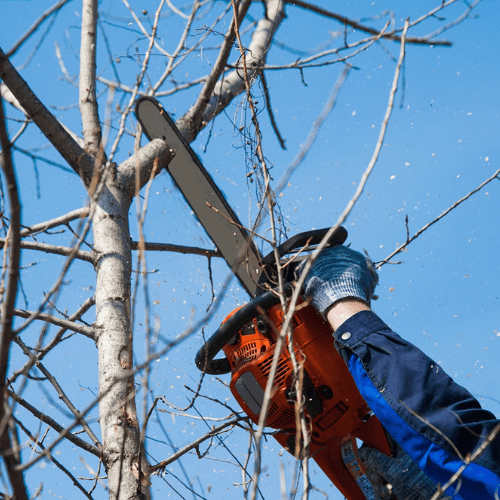
Summer pruning is often misunderstood, but from our perspective at Frodsham Tree Solutions, it’s a highly effective way to manage tree health, structure, and safety during the growing season.
With decades of hands-on experience across Cheshire and the North West, our approach focuses on precision, species-specific care, and long-term results.
Summer is often overlooked as a key season for tree maintenance, yet from a professional arborist’s perspective, it offers a valuable window for precise and controlled pruning. While winter pruning is typically associated with structural work, summer pruning enables targeted management of growth, improved tree health, and enhanced aesthetics, particularly in common UK tree species.
Why Summer Pruning Is Part of a Professional Tree Care Plan
During the summer months, trees are in full leaf and actively growing. This provides a clear and accurate view of canopy density, structure, and overall condition.
Importantly, this is also the best time to identify areas of concern; branches that are not in leaf can be clearly observed against a full canopy, often indicating ill health, dieback, or underlying structural issues that may not be as visible during dormant periods.
From our professional standpoint, summer pruning is particularly useful for:
- Slowing down excessive or unwanted growth
- Improving airflow and light penetration
- Identifying and removing diseased or damaged limbs early
- Maintaining safe distances from buildings and pathways
- Enhancing the overall shape and balance of the tree
- Managing safety concerns such as overhanging or compromised limbs
Because trees are actively growing, careful pruning at this time allows us to guide development rather than simply react to problems. Unlike dormant pruning, cuts made in summer often result in reduced regrowth, making it a strategic choice for long-term maintenance.
Learn More About Common UK Tree Species and Summer Pruning Approaches
Every tree species responds differently, and timing is critical. At Frodsham Tree Solutions, we tailor our approach depending on the species, its condition, and its environment.
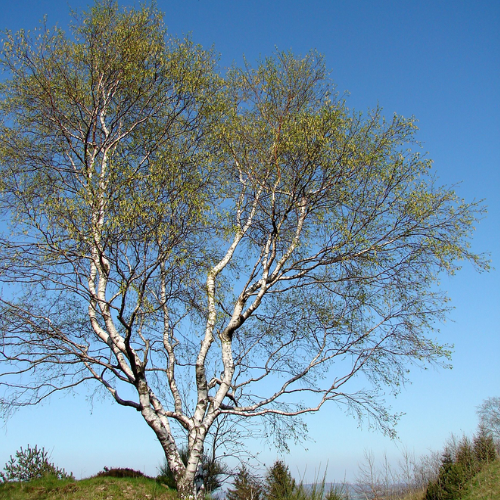
Silver Birch (Betula pendula)
Sensitive to pruning at the wrong time of year, birch trees are prone to “bleeding” if cut in late winter or early spring. Summer is the preferred time for light pruning, allowing us to reduce stress and avoid excessive sap loss.
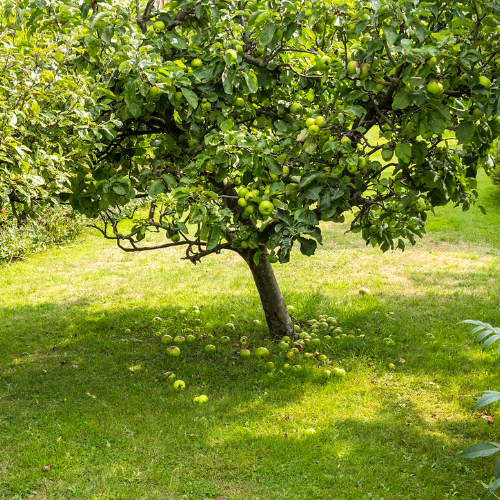
Apple Trees (Malus domestica)
Summer pruning is essential for fruiting apple trees. By selectively removing vigorous upright shoots (water shoots), we improve light penetration and redirect energy into fruit development, enhancing both yield and quality.
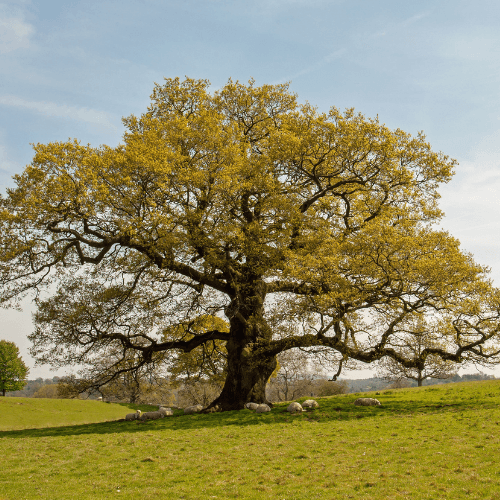
Oak Trees (Quercus robur)
Oaks benefit from minimal intervention. Summer pruning is typically limited to deadwood removal or minor structural work, ensuring the tree remains safe without introducing unnecessary stress.
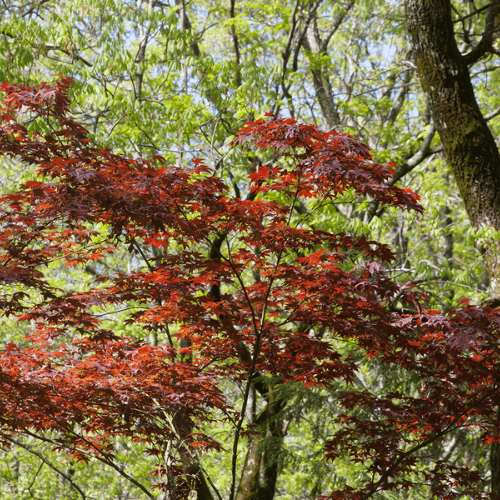
Maple Trees (Acer spp.)
Like birch, maples can bleed sap if pruned at the wrong time of year. Summer pruning allows for effective canopy management without triggering excessive sap flow.
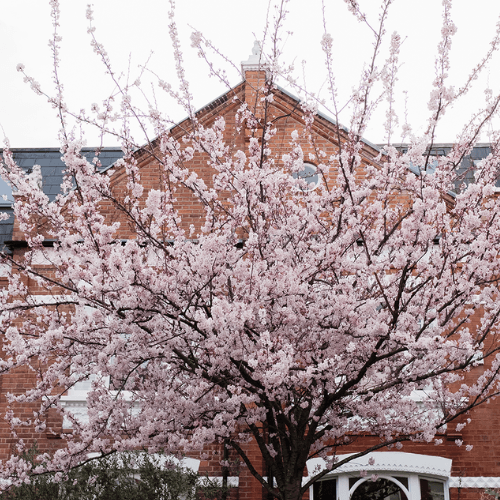
Cherry Trees (Prunus spp.)
Cherry species require a particularly sympathetic approach. We are very mindful of how they respond to pruning, as they can be susceptible to disease if handled incorrectly. Summer is generally the safest period, but even then, pruning must be minimal, well-timed, and carefully executed.
We also recognise that some species will tolerate heavier pruning than others. Understanding these differences is essential to delivering safe, effective, and sustainable tree work.
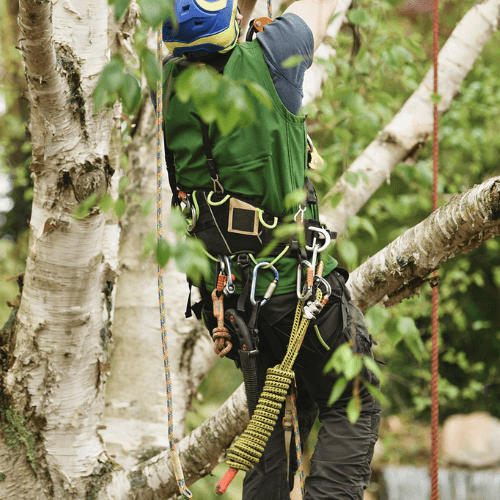
Key Summer Tree Pruning Techniques Used by Professionals
At Frodsham Tree Solutions, we use industry-recognised techniques aligned with British Standards (BS3998), ensuring every cut supports the tree’s long-term health.
Crown Thinning
Selective removal of smaller internal branches to reduce canopy density. This improves light penetration and airflow while maintaining the tree’s natural shape.
Crown Lifting
Lower branches are removed to provide clearance for pedestrians, vehicles, or buildings, a common requirement in both residential and commercial environments. Summer is the time trees hang at their lowest under the weight of full leaves and sap-laden timber.
Deadwood Removal
A crucial safety measure. Removing dead or weakened limbs reduces the risk of falling branches and limits the spread of decay.
Formative Pruning
For younger trees, early-stage shaping establishes a strong, balanced structure, reducing the need for more invasive work in the future.
Professional Considerations and Best Practice
From an expert arborist’s perspective, summer pruning is not simply about cutting back growth; it requires a detailed understanding of tree biology, seasonal timing, and long-term health.
Our approach is based on:
- Accurate identification of problem areas
- Minimal, targeted pruning rather than aggressive reduction
- Correct pruning points to support natural healing
- Clean, professional equipment to prevent infection
Over-pruning or poor technique can place unnecessary stress on a tree, leaving it vulnerable to pests, disease, and environmental pressures. This is why professional assessment is always recommended, particularly for larger or mature specimens.
When to Call a Professional Arborist
While minor pruning may seem straightforward, we strongly advise professional involvement in more complex situations, including:
- Large or mature trees
- Trees close to buildings, roads, or power lines
- Signs of disease, decay, or structural weakness
- Complex canopy work requiring climbing or rigging
A qualified arborist will:
- Carry out a full health and safety assessment
- Identify structural weaknesses or hidden defects
- Use specialist equipment to work safely at height
- Ensure all work complies with British Standards (BS3998)
Trained tree professionals not only carry out the work safely but also provide informed guidance on the long-term care of your trees.
Our Final Thoughts
Summer pruning is a valuable tool in modern tree care when carried out correctly. For UK tree species, it provides a strategic opportunity to manage growth, improve health, and maintain safe, attractive landscapes.
By understanding species-specific responses and applying precise techniques, we ensure that every cut contributes to the tree’s long-term well-being.
In summer, when trees are in full leaf, it is a good time to identify or observe no leaves on branches, indicative of ill health of parts of the tree. We also find that some trees will take a heavier pruning than others. We are very aware of how certain trees, like cherry, respond to pruning and require a sympathetic approach.
Whether managing a mature oak or improving fruit yield in apple trees, summer pruning plays a vital role in responsible tree care.
For property owners and estate managers, the key takeaway is clear: informed, selective pruning at the right time will always deliver better outcomes than reactive or excessive cutting.
If you’re unsure about the best approach for your trees, seeking expert advice ensures the work is carried out safely, effectively, and in the best interests of your landscape.
Learn More About Frodsham Tree Solutions
Frodsham Tree Solutions provides professional tree surgery and commercial arboricultural services across North Wales and North West England.
All work is delivered in accordance with BS 3998, supported by recognised industry accreditations, and carried out by a disciplined, veteran-led team.
Based in the North West of England, we are ideally situated to conduct tree services in Cheshire, The Wirral, Merseyside, Greater Manchester, North Wales and Lancashire.
For professional advice or a detailed quotation, contact Frodsham Tree Solutions today.

Expert Advice From Chris Whitby. Company Owner and Lead Arborist